Bankside sits on the south bank of the Thames between London Bridge and Blackfriars. The area mixes riverside living with cultural spots such as Tate Modern, Shakespeare’s Globe, Borough Market, and a walkway that runs along the water.
With the perfect mix of history and day-to-day convenience on resident's doorstep, it remains one of London’s most desirable neighbourhoods for people who want access to the river, the arts, and strong transport links.
The local housing market is shaped by two key property choices: warehouse conversions and new builds. Both appeal to different types of buyers, and understanding what sets them apart helps anyone looking to buy, sell, or invest in this part of London.
The Appeal of Warehouse Conversions
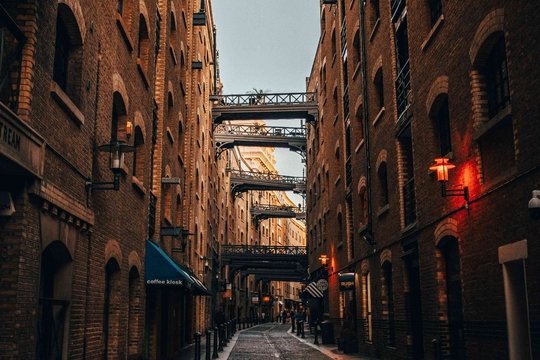
Warehouse conversions show off Bankside’s industrial roots. Old warehouses and factories have been turned into loft-style homes that keep original structures and an air of nostalgia. High ceilings, exposed brickwork, timber beams, and wide windows create rooms that feel open and full of character.
Many of these properties sit close to the river in Shad Thames, Butler’s Wharf, and Bermondsey. Buyers often choose them because each property has its own look and story. Open-plan layouts work well for people who enjoy adaptable space, whether they are creatives, long-time Londoners, or those downsizing who want something with personality in a central spot.
These homes are limited in number. The demand for this type of home far outweighs the supply and so helps maintain buyers interest, making them highly saleable in future. On the practical side, older buildings may come with higher running costs or the need for occasional maintenance. Even so, many buyers feel the trade-off is fair when the result is a home with distinctive features and a link to the area’s past.
The Appeal of New Builds
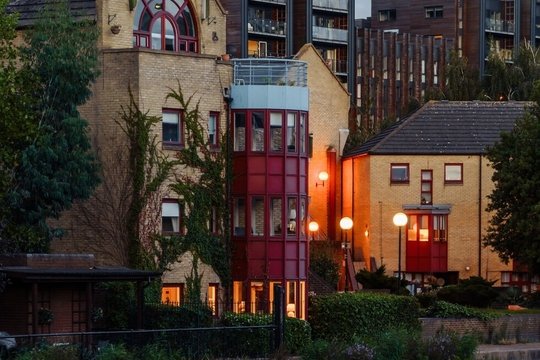
New build developments offer a different style of living. They tend to focus on comfort, modern fittings, and everyday ease. Features may include on-site gyms, shared lounges, concierge support, secure entry systems, and private balconies or terraces. Layouts are usually straightforward, making them simple to furnish and live in.
These properties generally appeal to first-time buyers, young professionals, families, and international purchasers who want a home that is ready from day one. Energy-efficient construction helps keep running costs lower, while managed buildings provide a sense of safety and convenience. For those who value predictable living and little upkeep, new builds provide a practical option.
Understanding Buyer Motivations
Different buyers look for different things, and their choices often reflect lifestyle and priorities.
People drawn to warehouse conversions may value
Homes with character and individuality
A link to London’s industrial past
Proximity to the river and major cultural venues
Open layouts that can be shaped to personal style
People drawn to new builds may value
Low-maintenance living
Modern facilities and secure entry systems
Energy-saving features
Clear running costs and long-term confidence in the building
Age and life stage also influence decisions. Warehouse properties often appeal to established professionals and downsizers, while new builds tend to attract young professionals, first-time buyers, families, and purchases from abroad.
Value Considerations
Both types of property attract strong interest, though for different reasons. Warehouse conversions hold appeal because there are only so many of them, and buyers look for distinctive homes with history. Running costs may be higher, yet the individuality of these homes often makes up for it.
New builds gain attention through modern finishes, practical layouts, and facilities that support everyday living. Running costs are usually more predictable, and warranties offer reassurance. Service charges vary depending on the building, so buyers should consider these when assessing long-term plans.
Lifestyle Considerations
Warehouse conversions offer spacious interiors, striking features, and a link to the area’s past. They may lack lifts, outdoor areas, or shared facilities, yet many buyers prefer the charm and scale of these homes.
New builds tend to include private balconies, secure access, lifts, and shared amenities. Though layouts may follow a set pattern, they offer comfort and ease for those who want simplicity and modern design.
The Role of Regeneration and Infrastructure
Bankside has grown steadily through continued local improvement. Mixed-use developments, updated walking and cycling routes, and improved connections help people move around the area easily. Cultural additions, from the growth of Tate Modern to new creative and retail venues, support local activity. Strong transport links and nearby employment centres keep the area attractive to buyers and renters, which in turn supports long-term demand for both property types.
Advice for Sellers
Sellers can appeal to the right audience by tailoring their marketing approach.
For warehouse conversions, highlight original features, heritage, central position, and good interior design. Mention any work done to improve energy performance.
For new builds, focus on facilities, outdoor space, energy performance ratings, and modern construction.
Across all property types, strong photography, accurate valuations, and clear information on service charges and lease terms help create interest.
If you're interested in renting, selling or buying property in Bankside, contact our experienced estate agent team.